
EXTREMELY SENSITIVE CONTENT – 18+ ONLY:
This article discusses sensitive historical events related to executions and war crimes trials after World War II, including acts of judicial violence. The content is presented for educational purposes only, to foster understanding of the past and encourage reflection on how societies can prevent similar injustices in the future. It does not endorse or glorify any form of violence or extremism.
Albert Pierrepoint (1905–1992) was one of Britain’s most prolific executioners, coming from a family with a long tradition in the profession—his father Henry and uncle Thomas were also hangmen. Over his 25-year career from 1932 to 1956, he executed between 435 and 600 individuals, including notorious murderers like Ruth Ellis (the last woman hanged in Britain) and many Nazi war criminals convicted in post-World War II trials.
Pierrepoint gained international notoriety for his role in hanging approximately 200 German war criminals in Germany and Austria between 1945 and 1949, though he did not participate directly in the main International Military Tribunal at Nuremberg. Instead, he was involved in subsequent trials, such as those at Hamelin Prison, where he executed figures from the Belsen and Ravensbrück concentration camps. His efficiency and professionalism in these high-profile cases cemented his reputation, but they also contributed to his later disillusionment with capital punishment.
Examining Pierrepoint’s life and work objectively reveals the human aspects of state-sanctioned executions and the ethical debates surrounding them, especially in the context of post-war justice, emphasizing the importance of learning from history to promote humane legal systems and prevent the glorification of violence.
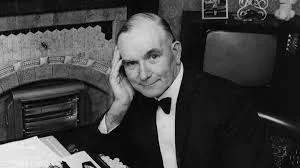
Albert Pierrepoint was born on March 30, 1905, in Clayton, Yorkshire, into a family deeply entrenched in the executioner’s trade. His father, Henry Pierrepoint, served as a hangman from 1901 to 1910, executing around 105 people, while his uncle Thomas was active from 1906 to the 1920s. Growing up, Albert was fascinated by his father’s stories and diaries, which detailed the mechanics of hanging. He began his career as an assistant executioner in 1932, working under his uncle, and became a chief executioner by 1941.
Pierrepoint’s method emphasized the “long drop” technique, calculating the rope length based on the condemned’s height and weight to ensure instantaneous death by neck fracture rather than slow strangulation, which he viewed as a merciful approach.
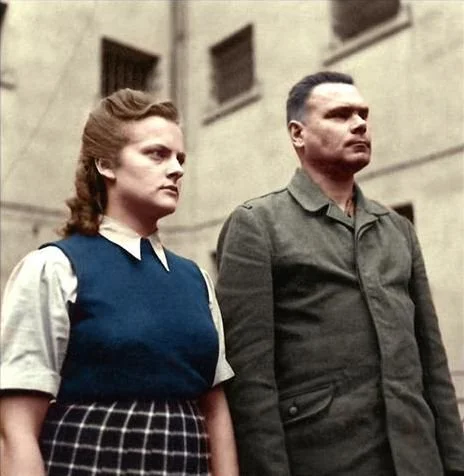
Pierrepoint’s fame escalated after World War II when he was selected by the British authorities to carry out executions of Nazi war criminals. Contrary to some popular narratives, he did not execute the top Nazi leaders from the main Nuremberg Trials in 1946—those, including Hermann Göring’s co-defendants like Joachim von Ribbentrop and Wilhelm Keitel, were hanged by U.S. Army executioner John C. Woods. Instead, Pierrepoint was involved in the British-led trials, such as the Belsen Trial (1945), where he hanged 11 defendants, including camp commandant Josef Kramer and guard Irma Grese, and the Ravensbrück Trial (1946-1948), executing several female guards.
Over four years, he traveled to Germany and Austria multiple times, hanging around 200 individuals convicted in various war crimes tribunals held in places like Hamelin Prison. These executions were conducted privately, often in batches, and Pierrepoint approached them with the same detached professionalism as his domestic work, though he later reflected on the scale of human suffering he witnessed.
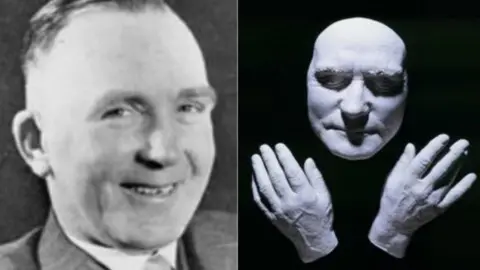
The Nuremberg connection in Pierrepoint’s legacy stems from the broader post-war justice efforts, where over 200 Nazis were indeed tried and executed across multiple proceedings, but his direct involvement was in the subsidiary trials under British jurisdiction. His efficiency—completing multiple hangings in a single day—earned him respect from military officials, but it also took a personal toll. After retiring in 1956 due to a dispute over fees, Pierrepoint became an advocate against capital punishment, arguing in his 1974 memoir “Executioner: Pierrepoint” that it served no deterrent purpose and was merely vengeance.
He lived quietly as a pub owner until his death in 1992, his life story inspiring films like “Pierrepoint: The Last Hangman” (2005).
Pierrepoint’s family background played a crucial role in his career; the Pierrepoints were among England’s most notable executioner dynasties, with a combined tally of hundreds of hangings. This heritage provided him with early training and a sense of duty, but it also isolated him socially, as executioners often faced stigma despite the profession’s official status.
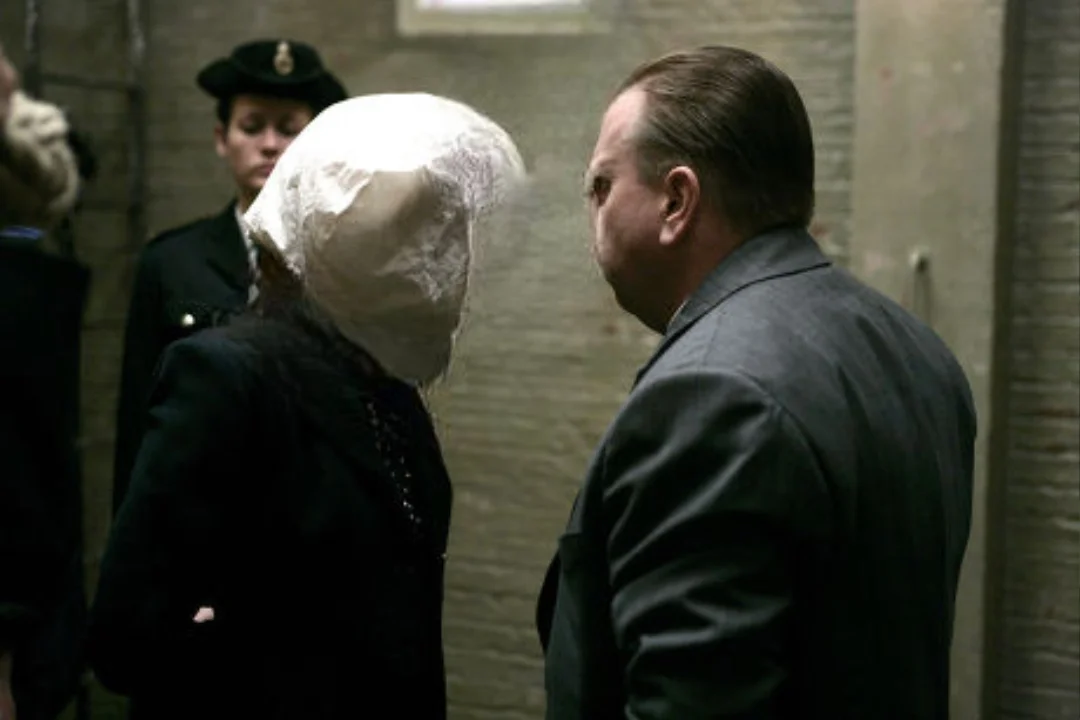
Albert Pierrepoint’s journey from a family of executioners to Britain’s most famous hangman, particularly through his execution of around 200 Nazi war criminals in post-war trials, underscores the complex interplay of justice, duty, and morality in the aftermath of World War II. While he did not directly participate in the primary Nuremberg Tribunal, his work in related proceedings contributed to the accountability of Nazi atrocities and amplified his legacy.
By reflecting on his life objectively, we gain insights into the human cost of capital punishment and the ethical shifts that led to its abolition in the UK in 1965 (fully in 1998). This history encourages societies to prioritize rehabilitation over retribution, fostering systems that uphold human dignity and prevent the recurrence of state-sanctioned violence, ensuring lessons from the past guide more compassionate futures.
Sources
YouTube: “Albert Pierrepoint – The Greatest Hangman Documentary”
Wikipedia: “Locations of executions conducted by Albert Pierrepoint”
Reddit: “An official executioner named Albert Pierrepoint executed …”
The Guardian: “The secret executioner”
Facebook: “Interesting previous Southport resident. Albert Pierrepoint was an …”
Visit Heritage: “Albert Pierrepoint”Oxford Law Blogs: “
English Hangmen and a Dublin Jail, 1923-54″
Kanopy: “Pierrepoint: The Last Hangman”Quora: “Why wasn’t Albert Pierrepoint the Nuremberg executioner?”