
Damage Control as Backlash Intensifies: Mayor Zohran Mamdani Stands by Controversial Housing Appointee

In a dramatic early test of his mayoralty, New York City’s newly inaugurated mayor, Zohran Mamdani, is confronting mounting backlash over his appointment of Cea Weaver as executive director of the city’s Office to Protect Tenants.
The controversy has drawn sharp criticism from opponents across the political spectrum while prompting a public defense from Mamdani himself, raising profound questions about political leadership, media narratives, and public memory in a city grappling with deep divisions.
Zohran Mamdani, who took office on January 1 as the 112th mayor of New York City, succeeded Eric Adams after a bruising 2025 election.
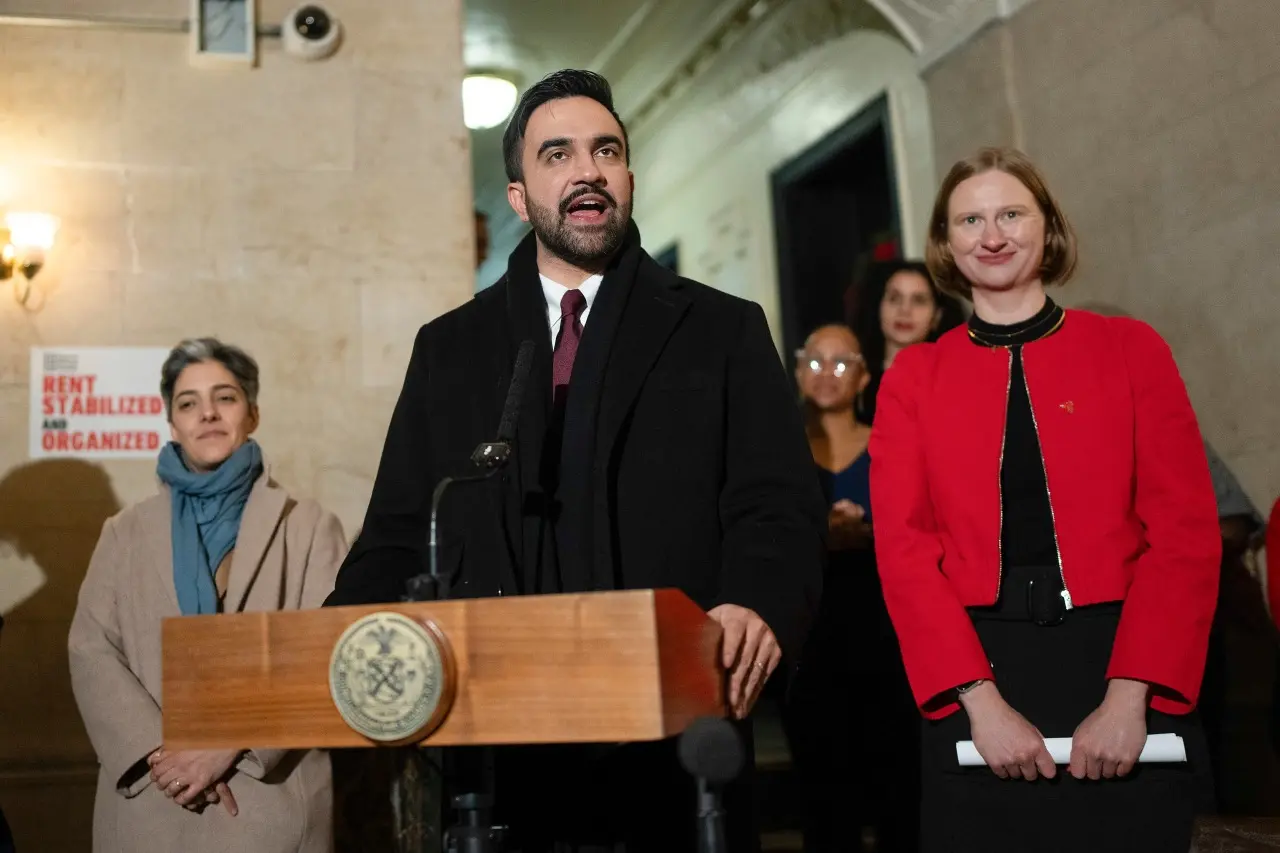
A political figure rooted in Democratic and progressive movements, Mamdani rose from representing Astoria and other Queens neighborhoods in the New York State Assembly to becoming the city’s first Muslim and first Asian American mayor.
His agenda — focused on housing affordability, transit access, and broad social reforms — energized voters seeking dramatic change.
The Controversy Over Cea Weaver
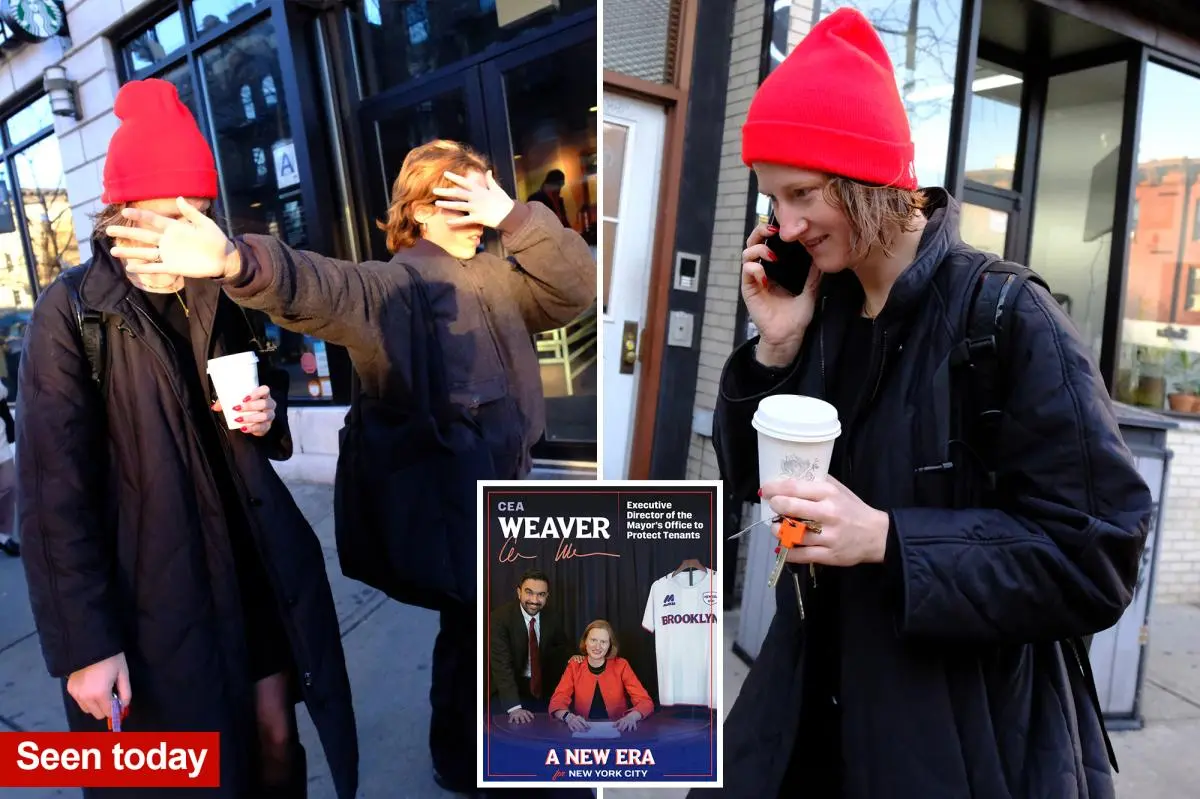
At the heart of the current controversy is Cea Weaver, a longtime tenant advocate and former policy adviser to Mamdani’s campaign, whose past social media posts have resurfaced as critics scrutinize her statements on private property and housing.
Those posts included rhetoric interpreted by opponents as equating homeownership with systemic oppression, language that opponents seized on in recent media coverage.
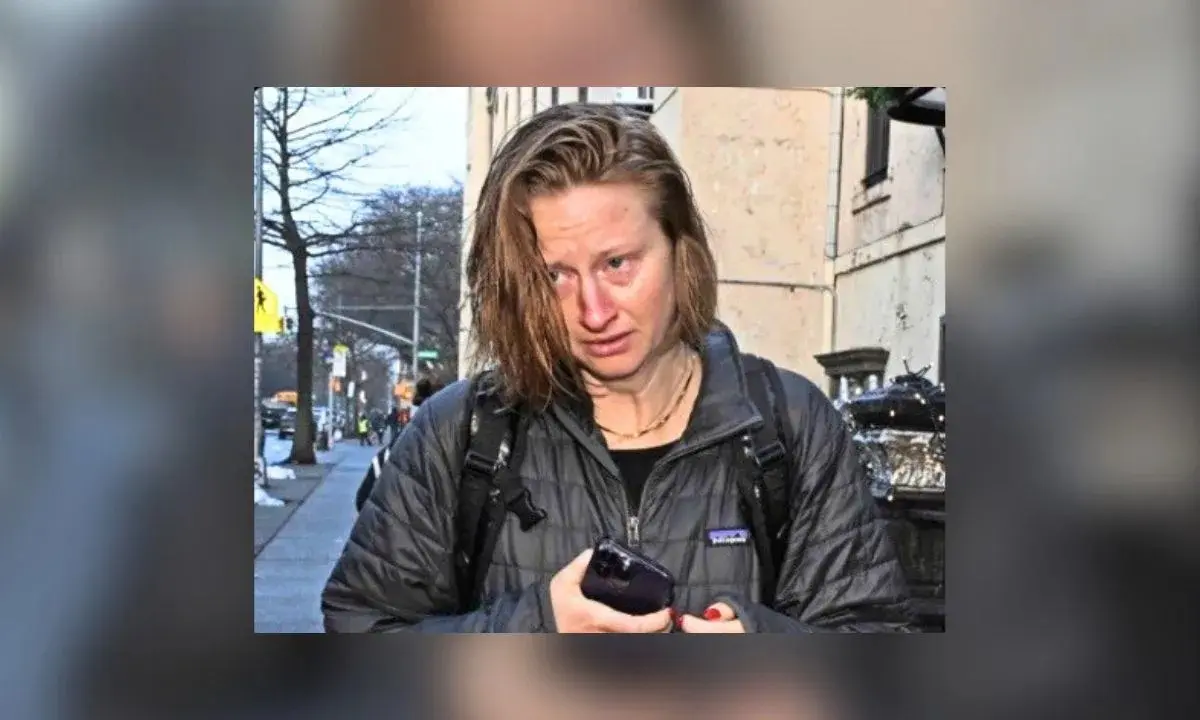
During a brief encounter with reporters last week in Brooklyn, Weaver appeared visibly emotional when pressed about the context of her earlier statements and her family’s personal ties to property ownership.
Her response was described in some outlets as a breakdown, though allies framed it as the strain of intense public scrutiny.
Mayor Mamdani has publicly stood by Weaver, describing her selection as part of a broader strategy to protect tenants against displacement and exploitative housing practices.
“Cea is an effective, thoughtful advocate for New Yorkers who too often are pushed aside in conversations about housing,” Mamdani said in a statement released from Gracie Mansion. “Our city deserves representation that reflects the real struggles of everyday people.”
Mamdani’s defense has not quelled critics, however. Some editorial boards and legal commentators have warned that Weaver’s earlier rhetoric risks alienating homeowners and undermining broader support for tenant protections.
Others have expressed concern about the potential for violent or dehumanizing language to seep into political discourse when phrases likening private property to structural oppression are repeated without context.
Social Reaction and Political Context
The backlash has come from unexpected quarters. Community leaders who support increased protections for renters have nonetheless voiced unease with framing that appears to discount the hard-won stability homeownership represents for generations of New Yorkers.
As one local homeowner group leader put it in a recent online thread, “White supremacy? I’m not white — and homeownership was our dream.” Critics like this are tapping into broader public frustration that transcends traditional political lines.
Meanwhile, Mamdani has doubled down on his housing policy goals: expanding tenant rights, pressing for greater affordability measures, and signaling a willingness to challenge entrenched real-estate interests. His insistence on retaining Weaver reflects a broader philosophical approach that eschews moderate compromises in favor of bold, transformative policy proposals.
Leadership Under Fire
What makes this episode particularly notable for observers is not just the policy stakes, but what it reveals about Mamdani’s leadership style. Known for his unapologetically progressive rhetoric on the campaign trail, Mamdani now finds himself navigating the complex realities of governing one of the world’s largest cities.
His decisions — from housing policy to education reform — are being examined as tests of his capacity to balance idealism with the practical demands of municipal governance.
Political analysts note that controversies like these are part of the broader turbulence many new administrations face in a fragmented media environment where local decisions can quickly become national talking points. Mamdani’s responses thus far suggest a willingness to pivot only slightly, rather than retreat entirely, when criticism peaks.
A Historical Reminder: The Weight of Memory
As the city watches this political drama unfold, New Yorkers are also reminded that public memory and collective trauma have deep roots.
Few chapters in human history illustrate the consequences of ideology turned to violence more starkly than the Holocaust, and particularly the Auschwitz-Birkenau concentration and extermination complex where over a million people — overwhelmingly Jewish men, women, and children — were systematically murdered by Nazi Germany during World War II.
Scholars like Franciszek Piper, head of the historical department at the Auschwitz-Birkenau State Museum, estimate at least 1.1 million people perished there, a figure grounded in extensive archival research.
Academic studies describe Auschwitz not only as a site of industrialized killing but also of brutal forced labor and torture, where deprivation, disease, and violence were constant daily realities.
Conditions in Auschwitz and similar camps have been documented in historical research as among the most extreme expressions of state-sanctioned cruelty in the twentieth century.
By recalling this history, commentators underscore the importance of vigilance in how societies debate, frame, and resolve conflicts over policy and identity, mindful of the catastrophic harms that unchecked power and dehumanizing rhetoric can exact.
What Comes Next
For Mayor Mamdani, the current backlash is more than a political headache; it’s a defining moment. How he manages the tensions between his base and broader public opinion could shape his administration’s trajectory and New York’s housing landscape for years.
Whether Weaver remains in her post, and whether the mayor’s housing agenda gains traction beyond protest and punditry, remains to be seen.
What is clear is that in New York City — a place built on pluralism, debate, and the constant push-and-pull of competing visions for the future — every appointment, every phrase, and every response carries weight far beyond the immediate headlines.